

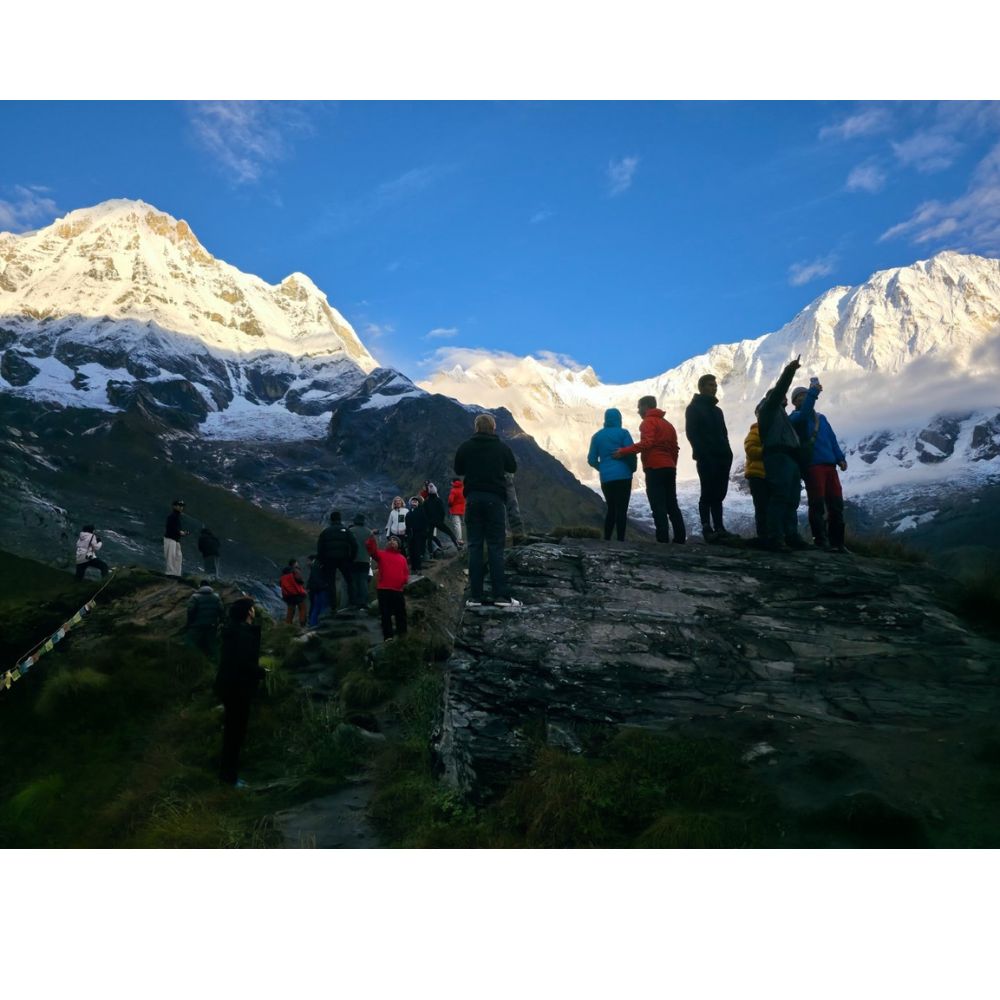
Planning a trek to Annapurna Base Camp can feel exciting and overwhelming at the same time. You picture snow-capped peaks, quiet forests, and warm teahouses, but one big question often comes up early in the process. Should you go solo or choose a guided experience?
The choice between a solo trek and a guided trek is not just about cost or convenience. It shapes your entire journey, from safety and comfort to how deeply you connect with the region. Many trekkers underestimate how much this decision affects their experience on the trail.
In this guide, you will learn the real differences between solo and guided trekking in the Annapurna region. We will break down costs, safety, logistics, and overall experience in a practical way. By the end, you will have a clear idea of which option suits your travel style, fitness level, and expectations.
Understanding the Annapurna Base Camp Trek
What Makes This Trek Unique
The Annapurna Base Camp Trek is one of the most popular trekking routes in Nepal. It takes you through a wide range of landscapes, from terraced fields and dense forests to high alpine terrain.
Unlike Everest Base Camp, this trail feels more diverse and culturally rich. You walk through Gurung and Magar villages, cross suspension bridges, and gradually enter a natural amphitheater surrounded by peaks.
Key Facts About the Route
- Duration: 7 to 12 days depending on itinerary
- Maximum elevation: 4,130 meters at base camp
- Starting points: Nayapul, Jhinu Danda, or Siwai
- Accommodation: Teahouses along the route
The trek is moderate in difficulty, but altitude and daily elevation gain still require preparation and awareness.
What Does a Solo Annapurna Base Camp Trek Look Like?
Freedom and Flexibility
A solo trek gives you full control over your journey. You decide when to start walking, where to stop, and how long to stay in each village.
If you feel tired, you can shorten your day. If you love a place like Chhomrong or Deurali, you can stay longer without worrying about a group schedule.
Responsibilities You Take On
Going solo means you handle everything yourself. This includes:
- Navigation and route planning
- Booking teahouses during peak seasons
- Managing food and hydration
- Monitoring your health and altitude symptoms
While the Annapurna trail is well-marked, mistakes can still happen, especially in bad weather or less busy sections.
Who Should Consider Solo Trekking
Solo trekking works best if you:
- Have prior trekking experience
- Are comfortable navigating unfamiliar environments
- Prefer independence over structured travel
First-time trekkers can do it, but they need to prepare more carefully.
What Is a Guided Annapurna Base Camp Trek?
Structure and Support
A guided trek includes a professional guide, and sometimes porters. Your guide handles logistics and ensures that your itinerary is safe and well-paced.
This removes much of the stress of planning and allows you to focus on the experience itself.
What Guides Actually Do
A good guide does more than show the way. They:
- Monitor your altitude and health
- Adjust the itinerary if needed
- Arrange accommodation and meals
- Share local culture and knowledge
Porters can carry heavy bags, which makes the trek physically easier.
Who Benefits Most from Guided Treks
A guided trek is ideal if you:
- Are new to trekking in Nepal
- Want a safer and more comfortable experience
- Prefer local insights and cultural connection
It is also a strong choice for solo travelers who want company on the trail.
Solo vs Guided Annapurna Base Camp Trek: Key Differences
Cost Comparison
Solo trekking is usually cheaper upfront. You pay only for permits, food, and accommodation.
Guided trekking includes additional costs such as guide fees, porter wages, and agency services.
However, the price difference is not always huge. Guided treks often include logistics and reduce unexpected expenses.
Safety and Risk
Safety is one of the biggest differences.
Solo trekking:
- You rely on your own judgment
- Limited support in emergencies
- Higher risk if something goes wrong
Guided trekking:
- Immediate help from experienced guides
- Better decision-making in difficult situations
- Faster response to altitude sickness
Navigation and Logistics
Solo trekkers must manage directions, timing, and accommodation.
Guided trekkers benefit from:
- Pre-planned routes
- Reserved teahouses in busy seasons
- Efficient daily pacing
Social Experience
Solo trekking can feel peaceful but sometimes isolating.
Guided trekking often includes interaction with:
- Guides and porters
- Other trekkers in your group
If you enjoy meeting people, guided treks offer more opportunities.
Cultural Insight
Guides provide deeper understanding of local life, traditions, and history.
Solo trekkers can still learn, but it requires more effort and interaction with locals.
Practical Insights and Expert Tips
- Always carry a detailed map or offline navigation app
- Start early each day to avoid afternoon weather changes
- Drink enough water and eat regularly to maintain energy
- Watch for symptoms of altitude sickness such as headache or nausea
- Keep extra cash for emergencies and unexpected costs
- Choose a reputable guide if you go for a guided trek
Even experienced trekkers benefit from basic precautions. The mountains are beautiful but unpredictable.
Conclusion
The decision between solo and guided trekking comes down to your priorities. If you value independence and have experience, solo trekking can be deeply rewarding. If you want safety, ease, and local knowledge, a guided trek is the better option.
There is no single right choice. The best option is the one that matches your confidence, preparation, and expectations.
Take time to assess your comfort level honestly. A well-chosen approach will not only make your Annapurna Base Camp trek successful but also far more enjoyable.
FAQ
Is solo trekking allowed in the Annapurna Base Camp region?
Yes, solo trekking is allowed in the Annapurna region. However, regulations can change, so always check the latest rules before your trip.
Is a guide mandatory for Annapurna Base Camp?
A guide is not always mandatory, but it is strongly recommended for safety and better experience.
How much does a guided Annapurna Base Camp trek cost?
Guided treks typically cost more than solo trips because they include guide services, logistics, and support. Prices vary based on itinerary and services.
Is the Annapurna Base Camp trek safe for solo travelers?
It can be safe if you are prepared and experienced. However, guided trekking reduces risks significantly.
What permits are required for the trek?
You need the Annapurna Conservation Area Permit and a TIMS card to trek in this region.